Igede-Ekiti is an ancient Yoruba town in present-day Ekiti State, Nigeria, and the headquarters of Irepodun/Ifelodun Local Government Area. Its early history is largely preserved through oral tradition.
According to tradition, the founders of Igede were led by Ake, a hunter and herbalist who migrated from Ile-Ife with his wife, Erindo, and his servant, Awota. After travelling through different places, they eventually settled at Oke-Esu, regarded as the earliest settlement of Igede.
Ake and Erindo were traditionally said to have had sixteen children, among whom were Osun, Elemi, Ogbese, Orunro and Okunsusi. Following Ake’s death, the children reportedly engaged in a dispute over leadership. Tradition holds that powerful incantations, known as “ògèdè,” were used during the conflict, with some of the children becoming associated with rivers and other natural features. Okunsusi eventually emerged as the leader. This tradition is one of the explanations associated with the name Igede, believed to have evolved from “Ogede.”
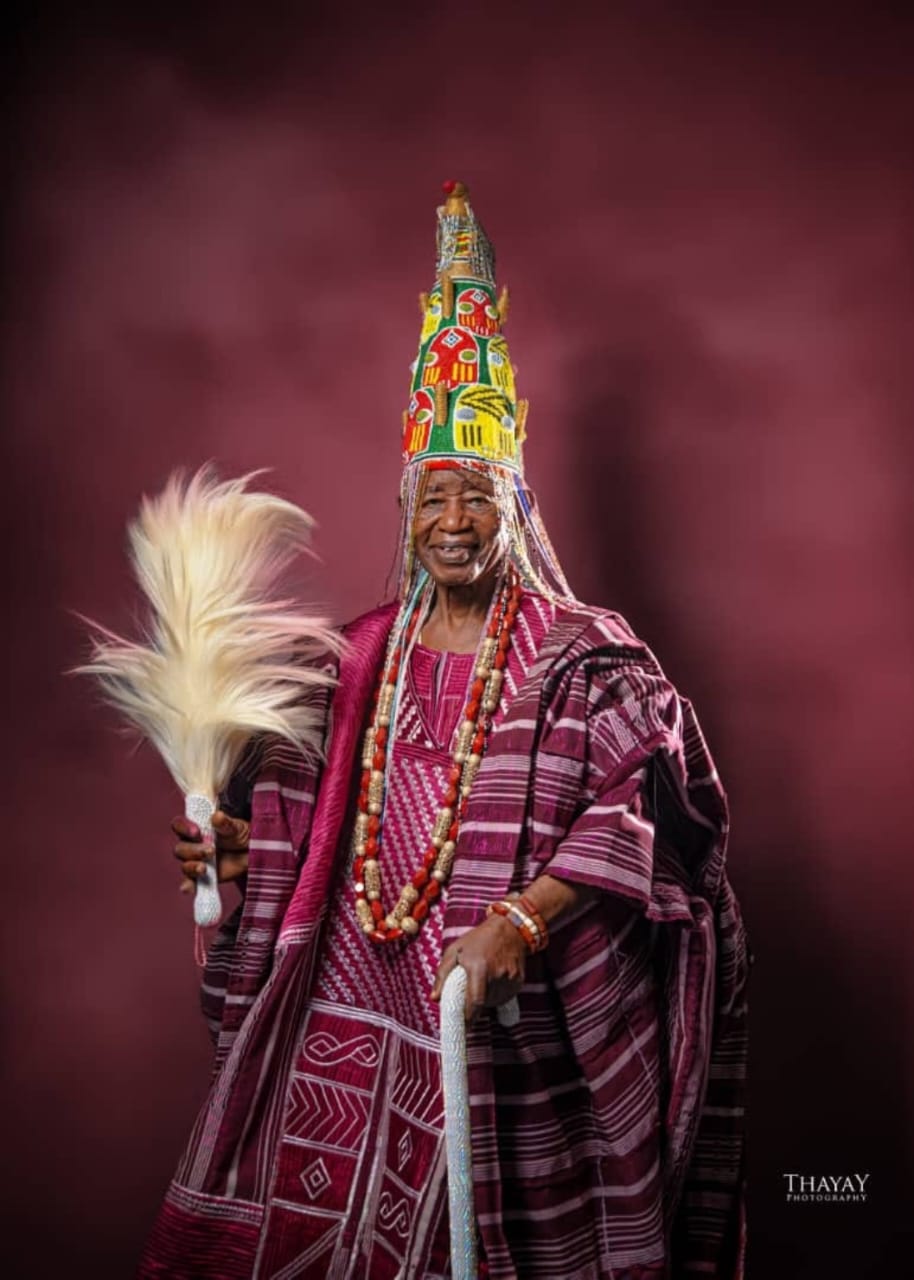
The people later moved from Oke-Esu to Odogede, where the present town developed. The traditional institution of the Onigede subsequently became established, with Onaowuro, Oborolada and Okiribiti recognised as the principal ruling houses.
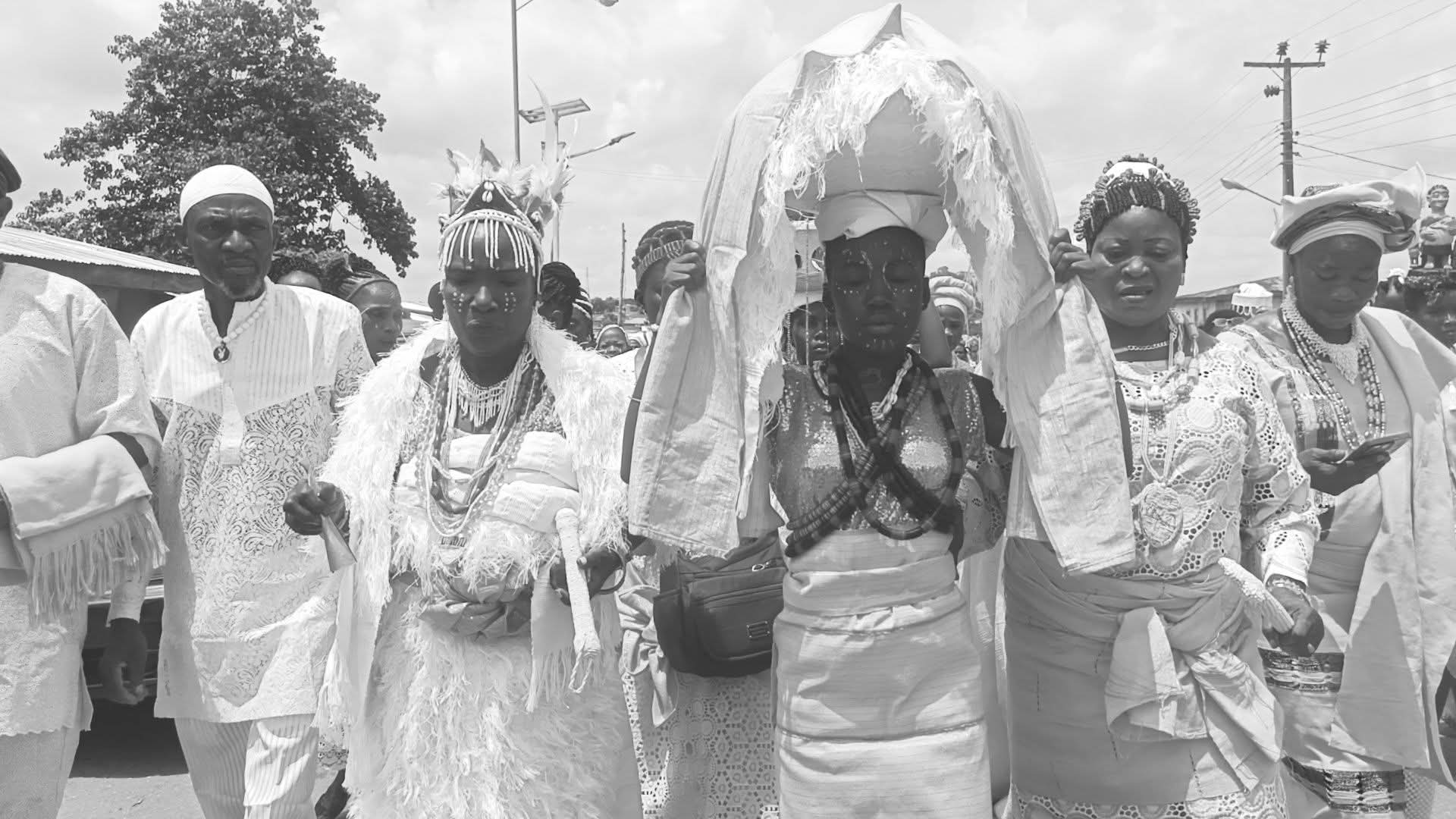
Igede also has a strong traditional connection with Osun. Oral tradition identifies Osun as one of Ake’s children who left Igede, while the Osun River, which flows through Osun State and is central to the famous Osun-Osogbo tradition, is traditionally associated with the Igede area.
Historically, Igede was predominantly an agricultural community, with farming, trading and traditional crafts forming important parts of its economy. Its hills, forests and numerous rivers also played significant roles in its culture, spirituality and settlement.
The arrival and growth of Christianity and Western education brought major changes to the town. Baptist and Anglican missions became particularly influential, while formal education expanded significantly from the 1950s, producing generations of teachers, professionals, civil servants, academics and community leaders.
Today, Igede-Ekiti remains an important traditional, agricultural, commercial, educational and administrative centre. Its rich heritage is preserved through the institution of the Onigede, traditional families and chiefs, cultural practices, oral history, religious institutions and community development initiatives.
In essence, the history of Igede-Ekiti is a story of Yoruba migration, ancestral heritage, traditional kingship, sacred rivers, agriculture, Christianity, education and community development.
It is important to note that much of Igede’s early history comes from oral tradition; therefore, legendary accounts should be distinguished from independently documented historical facts.